Between you and me, brick often gets an unfair rap in the world of green building. You’ve probably heard the buzzwords by now— embodied energy, thermal mass, U-values—and felt your head spin. Maybe you’ve been told concrete is bad, timber is good, and bricks are somewhere in the middle or out of fashion altogether. But here’s the thing: brick is one of those classic building materials that has stood the test of time for thousands of years, from Roman aqueducts to charming colonial homes, and it’s still very much relevant for modern, environmentally conscious homebuilders on a budget.
Let me walk you through why using brick in modern homes can be a smart, practical, and yes, sustainable choice—without drowning you in jargon or marketing fluff.

Why Consider Brick for Your Contemporary Home?
When you're scouting for materials, sustainability, cost, durability, and aesthetics all matter. Brick scores pretty well across the board if you know what to look for.
The Durability Factor
Bricks are essentially fired clay—simple, natural, and incredibly resilient. A good brick wall can last 100 years or more with minimal maintenance. That longevity is a huge part of the sustainability equation because you’re not replacing or repairing your exterior every decade like you might with some synthetic siding materials.
For example, I recently worked with a client renovating a 1920s brick bungalow. We retained the original brick exterior and restored it rather than tearing it down. The walls were still structurally sound and provided excellent thermal mass, helping regulate indoor temperature naturally.
Thermal Performance and Energy Efficiency
Now, about those confusing terms you’ve heard—embodied energy and U-value. Here’s a quick, practical explanation:
- Embodied energy is the total energy used to produce and transport a building material. U-value measures how well a material stops heat from passing through it (lower is better for insulation).
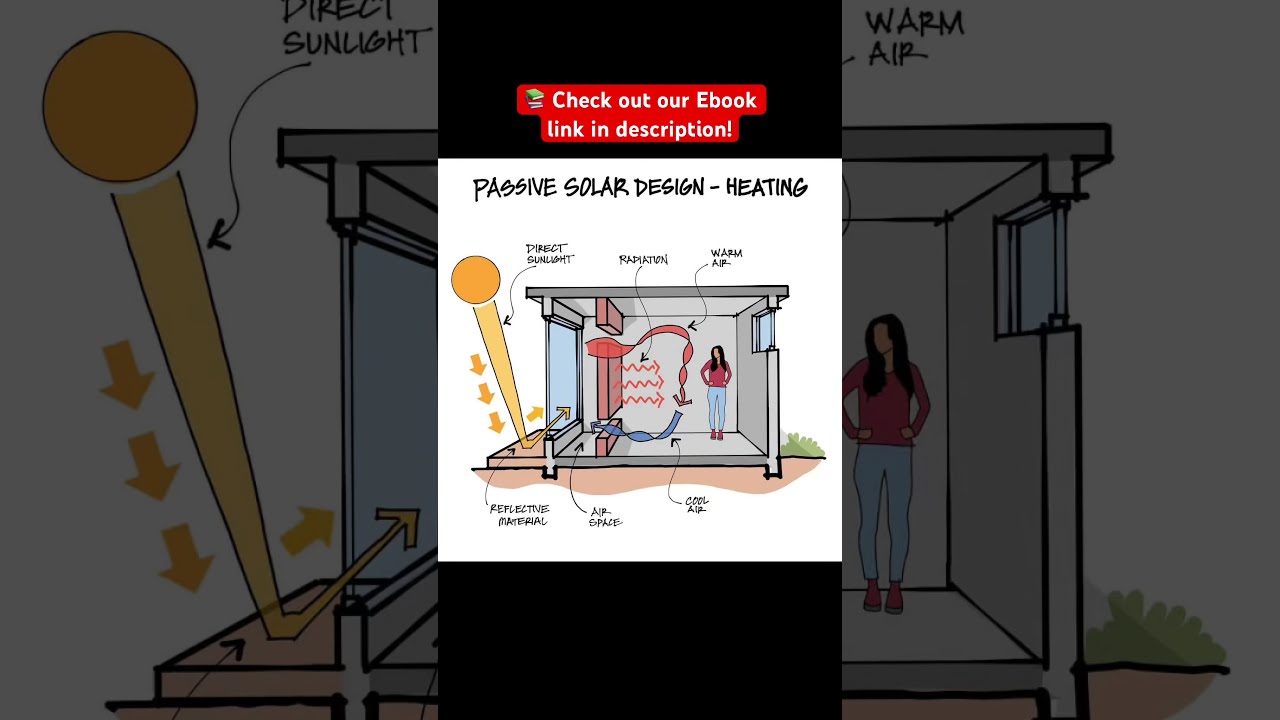
Bricks aren’t great insulators on their own—typical U-values for single brick walls hover around 2.0 W/m²K, which is poor compared to modern insulation materials. However, bricks shine when combined with insulation layers inside the wall assembly. Their thermal mass allows them to absorb and slowly release heat, smoothing out temperature swings inside your home and reducing heating and cooling loads.
Think of bricks like a cast iron skillet in your kitchen. It takes longer to heat up, but once hot, it holds that heat evenly. Bricks work the same way, moderating indoor temperatures and reducing your reliance on HVAC systems.
Environmental Impact: How Does Brick Stack Up?
Yes, brick production involves firing clay at high temperatures, which requires energy—mostly from natural gas or coal in traditional kilns. This contributes to embodied carbon emissions. But there’s nuance here:
- Longevity reduces environmental impact: Because bricks last so long, their environmental cost is amortized over many decades. Local sourcing helps: Many brick manufacturers, like Glen-Gery and the Belden Brick Company, operate regionally, cutting down on transport emissions. Recyclability: Old bricks can be reused or crushed for landscaping or road base, giving them a second life.
Compared to concrete blocks and poured concrete, bricks’ embodied carbon can be competitive or even lower depending on manufacturing methods and transport distances. Timber can have even lower embodied carbon but usually requires treatments and can have shorter lifespans, especially in wet climates.
Pricing and Budget Realities
Let’s talk dollars because, frankly, that’s what matters for DIY builders.
Material Typical Cost (per unit) Notes Brick $0.50 to $2.50 per brick Varies by style, quality, and region; includes Glen-Gery and Belden Brick products Concrete block ~$1.20 to $2.00 per block Cheaper but less aesthetically versatile Timber siding $2.00 to $8.00 per square foot Depends on species and grade; requires maintenanceBrick tends to have a higher upfront material cost than concrete blocks but can be more affordable than high-end timber siding. Plus, bricks eliminate the need for painting or sealing, saving money and time in the long run.
Installation re-thinkingthefuture.com labor can be a significant chunk of your budget. Bricks require skilled masons, but for a DIY-minded renovator, there are modular or veneer brick options that simplify the process and reduce labor costs.
Contemporary Brick Architecture: Inspiring Design Ideas
Modern brick house designs don’t have to look like your grandma’s colonial home. Contemporary brick architecture blends clean lines, minimalism, and brick’s natural texture to create striking aesthetics.
1. Brick and Glass Combo
Large, floor-to-ceiling windows juxtaposed with warm brick walls create an inviting contrast. The brick provides grounding and texture, while glass opens the space to natural light.
2. Monochrome Brick Facades
Using bricks of a single color—often a sleek charcoal gray or warm beige—can produce a modern, almost sculptural exterior. Glen-Gery offers some beautiful monochrome brick options that fit this style.
3. Patterned Brickwork
Playing with brick orientation, such as herringbone or stack bond patterns, adds visual interest without extra materials. This technique can be a DIY-friendly way to customize your exterior.
4. Brick Accents
If you want to keep costs down or add some warmth to a mostly timber or concrete home, consider brick as an accent element—chimneys, entryways, or partial walls.
Pros and Cons at a Glance
Pros Cons- Durable and long-lasting Low maintenance Excellent thermal mass for energy efficiency Natural, timeless aesthetic Recyclable and locally sourced options
- Higher upfront material and labor costs Poor insulation value alone (requires layering) Embodied carbon from firing process (though offset by lifespan) Requires skilled installation for best results
Final Thoughts: Is Brick Right for Your DIY Green Build?
If you’re an environmentally conscious DIY builder or renovator, brick offers a compelling balance between durability, sustainability, and aesthetics—especially when paired with modern insulation techniques. It isn’t the cheapest material upfront, but its longevity and low maintenance often make it the economical choice over the life of your home.
Keep an eye out for reputable manufacturers like Glen-Gery and the Belden Brick Company, who provide a variety of brick types and colors suitable for contemporary designs.
Remember: like the Romans knew, good building materials combined with smart design stand the test of time. So as you plan your modern brick home, think beyond the initial cost and marketing hype. Focus on the real numbers, the practical benefits, and the timeless appeal. Your future self (and the planet) will thank you.
And if you ever want to geek out about the beauty of Roman brickwork or the perfect mortar mix, you know where to find me—I've always got a battered brick in my bag.